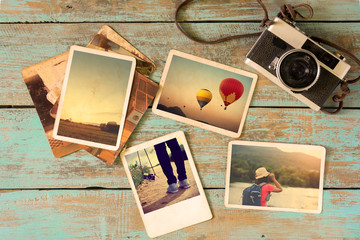
Taking inspiring travel photos takes more than a good camera. Travel photographers start their research before they arrive at their destination to capture the essence of a landscape or culture. Learning about normal weather patterns, etiquette, and any significant festivals scheduled for that time of year can make it easier to plan out photoshoots and determine which type of equipment to bring.
Travel photography experts recommend packing a tripod. This tool can help keep the camera steady while adjusting the settings. Tripods also make it easier to capture moving images, such as flowing water. They are essential for long-exposure photography, which requires the camera to be still for long periods. Some camera equipment, like batteries, are sensitive to extreme temperatures. Photographers heading to very cold regions should pack extras and additional memory cards in case of failure.
After arriving, photographers should spend a few days traveling around their destination to understand the layout. Photographers can coordinate their desired setting with the rhythm of the locals. These preliminary excursions can also help photographers build a “shot list” which includes all of the images they would like to capture during their trip. For example, dense urban areas in warmer climates tend to be less populated during the afternoon when the sun is hottest. Photographers interested in capturing landmarks in bustling tourist cities may encounter fewer people before dawn.
Many of the best photo opportunities happen spontaneously, so photographers are advised to carry their cameras with them at all times. However, getting the right composition and lighting can also require spending hours in the same location. This can be difficult to follow a planned tour with a rigid itinerary or to travel with non-photographer companions. Serious travel photographers may need to dedicate time solely to taking pictures.
Even if a photographer wishes to focus on landscapes or buildings, adding a human element can make photos more interesting. People walking by a large monument can help demonstrate scale, while photos with locals in the foreground can give insight into the local culture. Many travel photographers also produce portraits of local people.
Photographers who want to use locals as subjects should learn enough local language to ask people for permission before taking any pictures. While most people do not object to being in the background of a wide-shot photo, photographers must remain aware of locals’ reactions to their camera. Some countries have very strict data protection laws that can affect travel photographers, especially if they plan to use the image commercially.
Photographers are also vulnerable to theft since camera equipment is valuable and easy to resell. Travel photographers can protect themselves by buying insurance. Before traveling, photographers should record serial numbers and other information that may be requested by the insurer. Storing camera equipment in a specialized travel bag with secure pockets can prevent damage and theft.
Photographers traveling through areas with high rates of robbery or theft should keep their most expensive items in their hotel rooms safe. Likewise, photographers can also protect their images by frequently transferring the photos to memory cards and uploading the contents to an online storage base. If their camera or laptop gets stolen, the images will still be accessible.
from WordPress https://ift.tt/3iHAEq9
via IFTTT


